Secret Societies In History Explained Illuminati Freemasons
Secret societies have always captured human curiosity. Throughout history people have been fascinated by organizations that operate privately and keep their activities hidden from the public. When historians discuss secret societies history they often explore groups that used private meetings, symbols and rituals to maintain secrecy.
Some secret societies were created for intellectual discussion, religious protection or political strategy. Others later became surrounded by conspiracy theories and myths about hidden power. Because of this mixture of fact and mystery the topic of secret societies history continues to attract global attention.
From medieval orders to modern organizations many groups have been labeled as secret societies. Among the most discussed are the Illuminati, Freemasons, Knights Templar and several elite university societies. Understanding secret societies history requires exploring how these organizations started and how they influenced society during different periods.
The Concept Of Secret Societies History Explained Illuminati
Before examining specific organizations it is important to understand what a secret society actually is. In simple terms a secret society is an organization that keeps some parts of its activities private. These groups often use membership rules, symbols and rituals that are not shared with the public.
In secret societies history secrecy was often used to protect members from political or religious authorities. During many periods in history expressing certain ideas openly could be dangerous. Secret societies allowed people to discuss ideas privately without fear of punishment.
Some secret societies focused on intellectual discussion and philosophical ideas. Others existed for religious or military reasons. Over time the secrecy surrounding these groups created curiosity and speculation among the public.
The Illuminati Secret Society
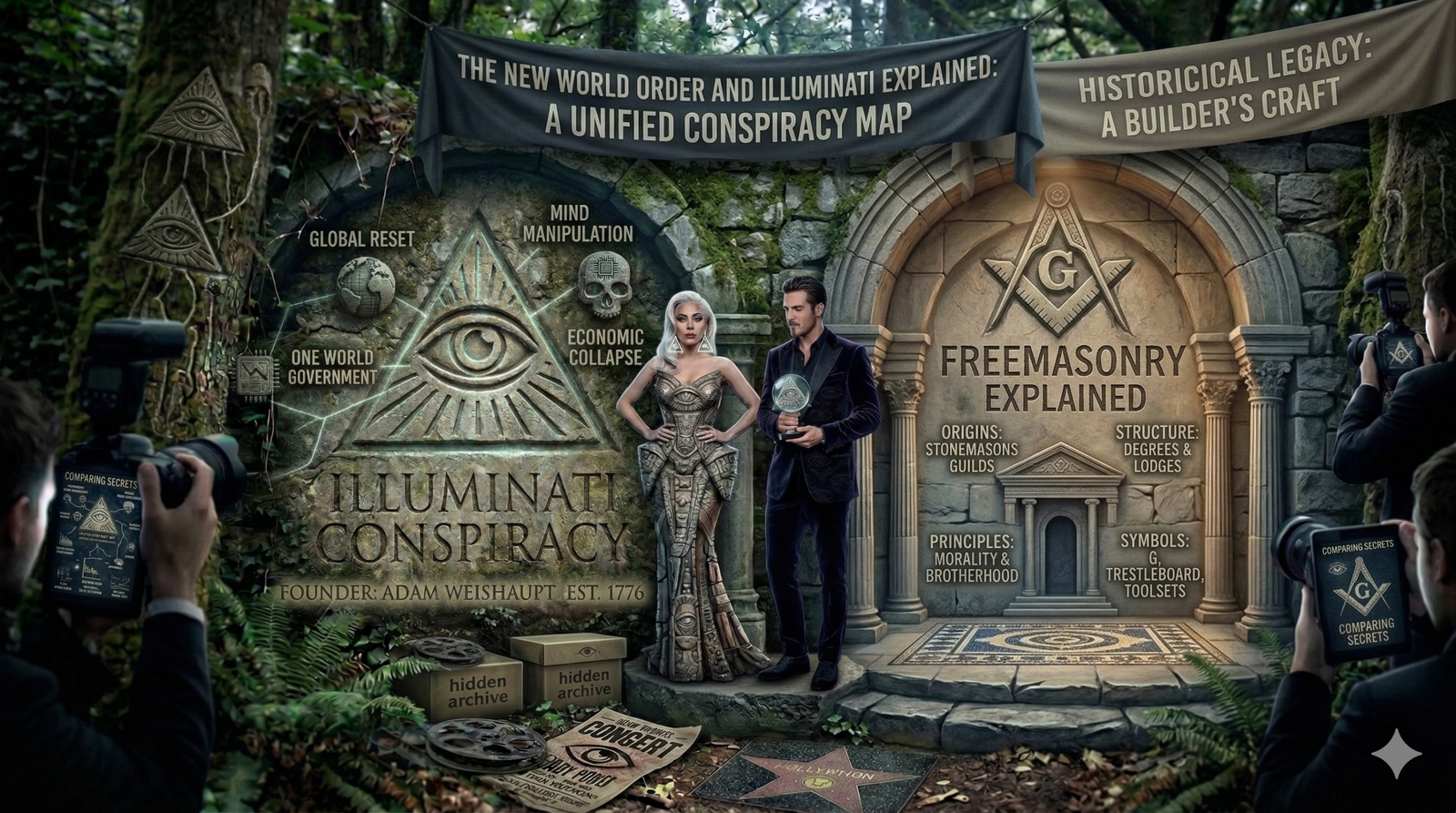
One of the most famous groups in secret societies history is the Illuminati secret society. The Illuminati secret society was founded in 1776 in Bavaria by Adam Weishaupt.
Weishaupt was a professor who believed society should be guided by knowledge and rational thinking rather than strict authority. He created the Illuminati secret society to promote Enlightenment ideas among educated individuals.
Members of the Illuminati secret society believed education and intellectual discussion could help improve society. The organization used secret communication and coded identities to protect its members.
However the Bavarian government became suspicious of the Illuminati secret society. Authorities feared secret organizations could influence politics or challenge traditional institutions. As a result the Illuminati secret society was banned in the late eighteenth century.
Although the original organization disappeared the story of the Illuminati secret society continued to spread. Over time conspiracy theories suggested that the group survived secretly and influenced global events.
These theories helped make the Illuminati secret society one of the most discussed organizations in secret societies history.
The Freemasons Secret Society
Another major organization in secret societies history is the Freemasons. The Freemasons secret society is one of the oldest and most well known fraternal organizations in the world.
Freemasonry originally developed from medieval groups of stone masons who built churches and castles. Over time the organization evolved into a society that accepted members from different professions.
The Freemasons secret society is known for its symbolic traditions and rituals. Members often participate in ceremonies that teach moral lessons and emphasize personal development.
Freemasonry also promotes charity and community service. Many Freemason lodges around the world participate in social and charitable activities.
Despite its public presence the Freemasons secret society has often been surrounded by mystery because of its rituals and symbols. This secrecy has led some conspiracy theories to claim that Freemasons influence global politics.
However historians generally describe Freemasonry as a fraternal organization rather than a hidden government.
The Knights Templar
The Knights Templar is another group frequently mentioned in secret societies history. The organization began during the medieval period as a military order.
The Knights Templar were originally formed to protect Christian pilgrims traveling to Jerusalem. Over time the order became wealthy and influential because of its banking system and financial networks.
Members of the Knights Templar developed a reputation for discipline and military strength. However their growing wealth attracted suspicion from political leaders.
In the early fourteenth century the Knights Templar were accused of various crimes and the order was eventually dissolved. Many members were arrested and their assets were seized.
Although the organization disappeared the legend of the Knights Templar continued. Stories about hidden treasure and secret knowledge helped keep the group famous in secret societies history.
Skull And Bones Society
Another organization often discussed in secret societies history is the Skull and Bones society. This group was founded at Yale University in the United States during the nineteenth century.
Skull and Bones is known for its exclusive membership and private meetings. Each year a small number of students are selected to join the society.
Many influential figures in politics, business and media have reportedly been members of Skull and Bones. Because of this connection the organization often appears in discussions about elite networks.
However historians usually describe Skull and Bones as a private university society rather than a global power structure.
Secret Societies And Conspiracy Theories
Secret societies history is closely connected with conspiracy theories. The secrecy surrounding these organizations naturally leads people to wonder what happens behind closed doors.
When groups use private rituals and symbols the public often imagines that hidden agendas exist. Over time these ideas develop into conspiracy theories about secret societies controlling global events.
Books, movies and internet discussions have played a major role in spreading these stories. Fictional narratives about hidden organizations influencing politics and finance capture the imagination of audiences.
While many of these theories are entertaining historians emphasize that most secret societies operated for social, intellectual or religious purposes rather than global control.
Secret Societies In Modern Culture
Today secret societies history continues to influence popular culture. Movies, television shows and novels often explore the idea of mysterious organizations controlling powerful systems.
These stories keep public interest alive and encourage people to research the real history behind secret societies.
The internet has also made information about secret societies history more accessible. Articles, documentaries and online discussions allow people to explore these topics in detail.
Because of this access curiosity about secret societies continues to grow.
Why People Are Fascinated With Secret Societies
The fascination with secret societies history comes from the mystery surrounding hidden organizations. Humans are naturally curious about unknown forces and secret knowledge.
Symbols, rituals and private meetings create a sense of intrigue. People often wonder whether powerful groups operate quietly behind the scenes of major events.
Even when historians explain the real history of these organizations the mystery remains appealing to many readers.
Conclusion
Secret societies history includes many organizations that developed during different periods for different reasons. Groups such as the Illuminati secret society, Freemasons and Knights Templar all played unique roles in history.
Although conspiracy theories often claim secret societies control world events most historians say there is little evidence supporting these ideas.
However the mystery surrounding secret societies continues to inspire curiosity. As long as people remain interested in hidden power and historical mysteries the study of secret societies history will continue to attract attention.
Frequently Asked Questions
What are secret societies?
Secret societies are organizations that keep some activities or membership information private.
What is the most famous secret society?
The Illuminati secret society and the Freemasons are among the most well known groups discussed in secret societies history.
Did secret societies influence politics?
Some secret societies had members involved in politics but historians say there is little evidence proving they controlled governments.
Why are secret societies mysterious?
Secret societies often use symbols, rituals and private meetings which creates curiosity among the public.
Want To Rank Your Website On Google Click Here
Illuminati Celebrities And The Hidden Symbol Theory Explained